GRADE GUIDE · A516 GR70
ASTM A516 Gr.70 pressure-vessel plate off-cuts
A516 Gr.70 is the standard carbon steel plate for pressure vessels and boilers in moderate and low-temperature service — fine-grained, tough, and made to be welded. Grade 70 marks the tensile band (485–620 MPa) and is the default vessel plate across Gulf fabrication yards.
Also listed as: ASME SA516 Gr.70 · P265GH/P355GH (EN, near) · Gr.60 / Gr.65 siblings
Live A516 Gr70 stock
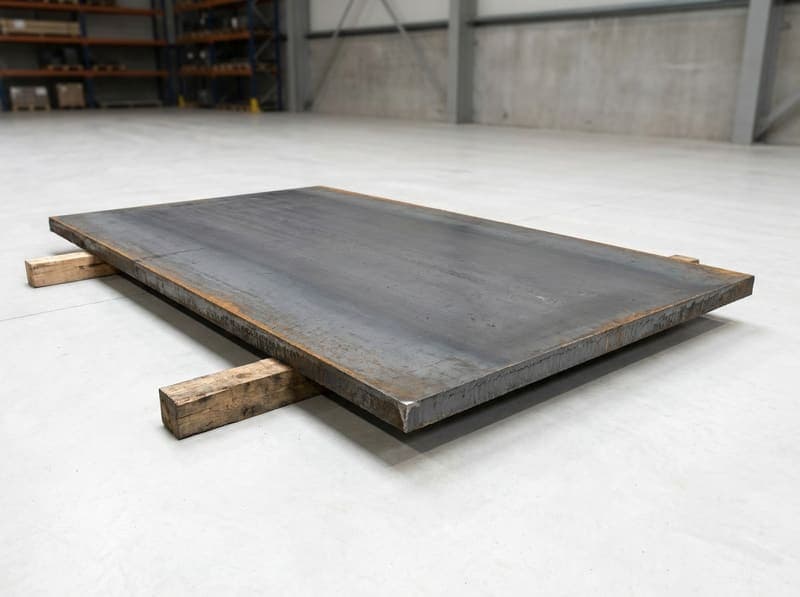 Illustrative render
A516 · Plate
Carbon steel · cut_piece
12 × 2000 × 2500 mm · 471 kg
Excess Project Material
Dubai · Origin No · 1 pcs · Listed 14 Aug 2026
Price on requestAsk us on WhatsApp
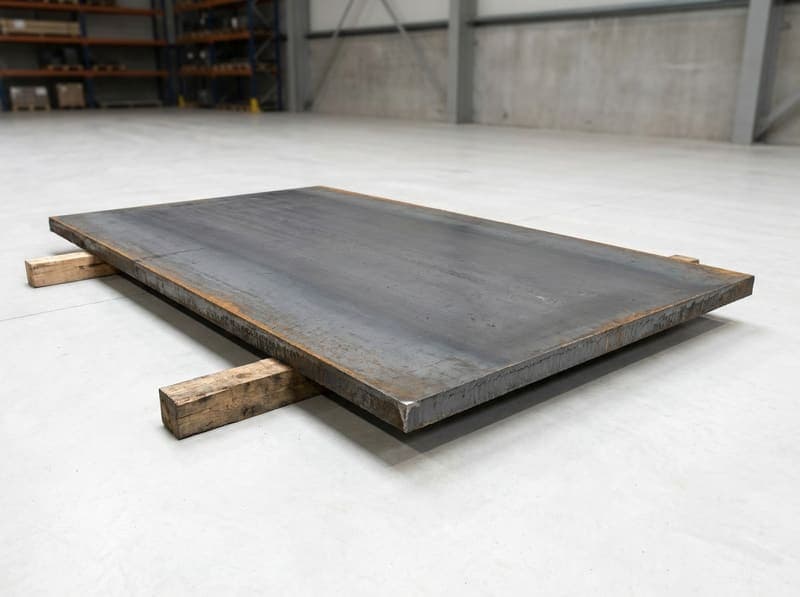 Illustrative render
A516 · Plate
Carbon steel · cut_piece
12 × 2000 × 2620 mm · 493.61 kg
Excess Project Material
Dubai · Origin No · 1 pcs · Listed 14 Aug 2026
Price on requestAsk us on WhatsApp
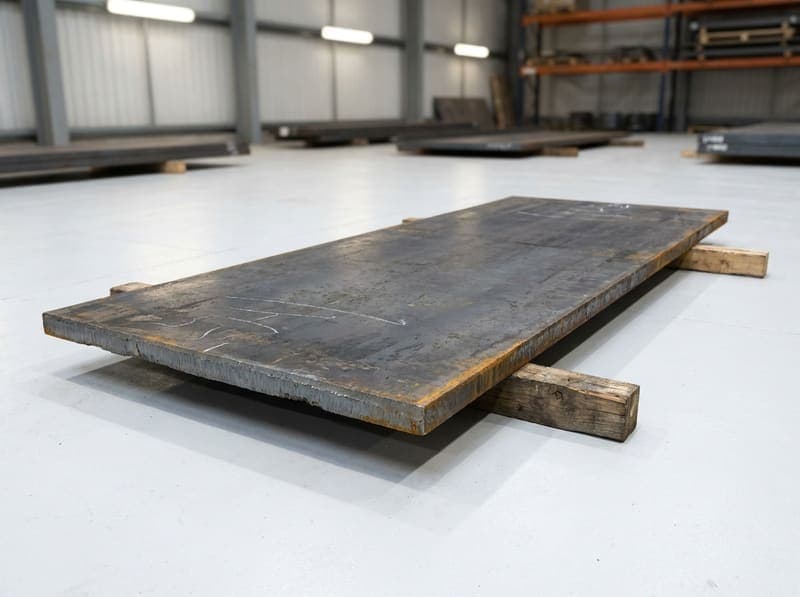 Illustrative render
A516 · Plate
Carbon steel · cut_piece
14 × 1550 × 2550 mm · 434.38 kg
Excess Project Material
Dubai · Origin No · 1 pcs · Listed 14 Aug 2026
Price on requestAsk us on WhatsApp
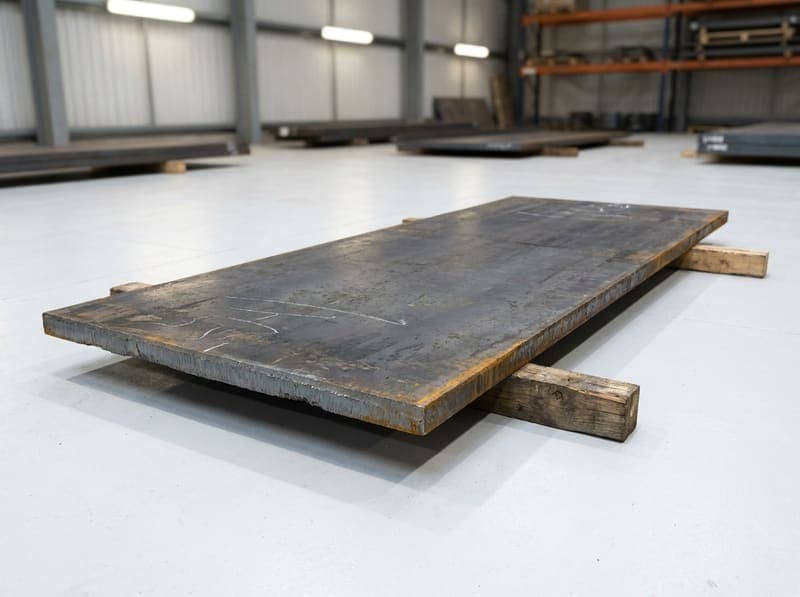 Illustrative render
A516 · Plate
Carbon steel · cut_piece
14 × 1240 × 3200 mm · 436.08 kg
Excess Project Material
Dubai · Origin No · 1 pcs · Listed 14 Aug 2026
Price on requestAsk us on WhatsApp
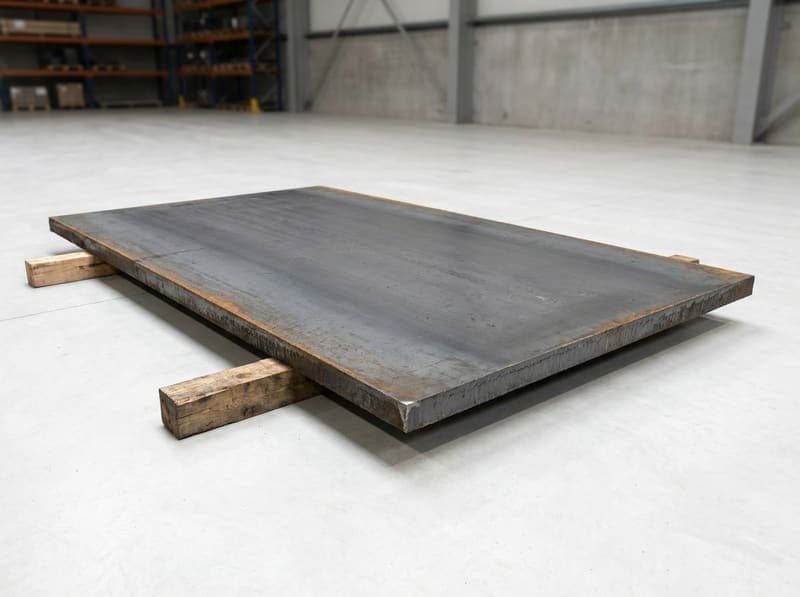 Illustrative render
A516 · Plate
Carbon steel · cut_piece
14 × 2500 × 2720 mm · 747.32 kg
Excess Project Material
Dubai · Origin No · 1 pcs · Listed 14 Aug 2026
Price on requestAsk us on WhatsApp
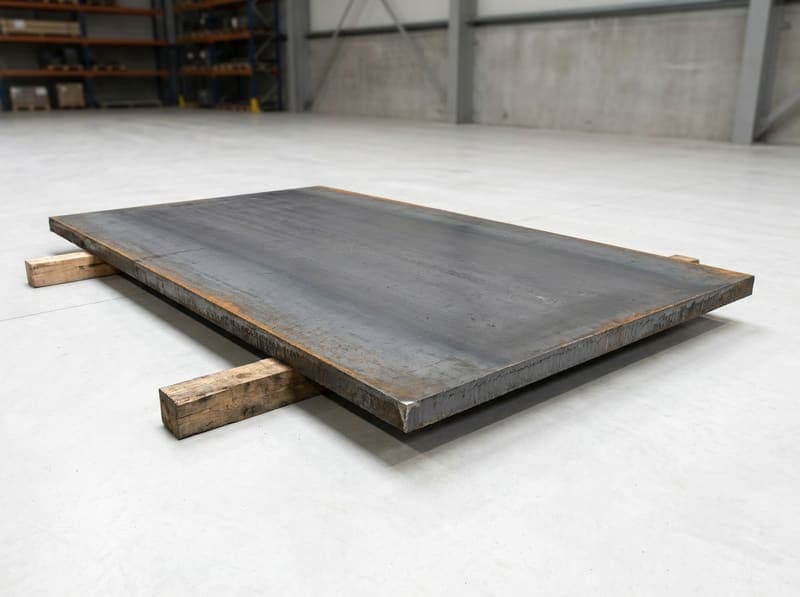 Illustrative render
A516 · Plate
Carbon steel · cut_piece
14 × 1700 × 2500 mm · 467.08 kg
Excess Project Material
Dubai · Origin No · 1 pcs · Listed 14 Aug 2026
Price on requestAsk us on WhatsApp
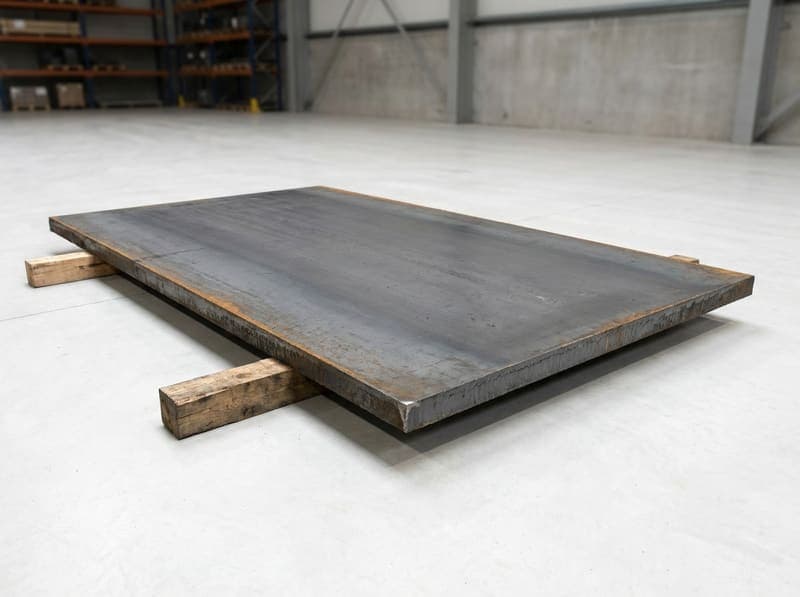 Illustrative render
A516 · Plate
Carbon steel · cut_piece
14 × 2500 × 2840 mm · 780.29 kg
Excess Project Material
Dubai · Origin No · 1 pcs · Listed 14 Aug 2026
Price on requestAsk us on WhatsApp
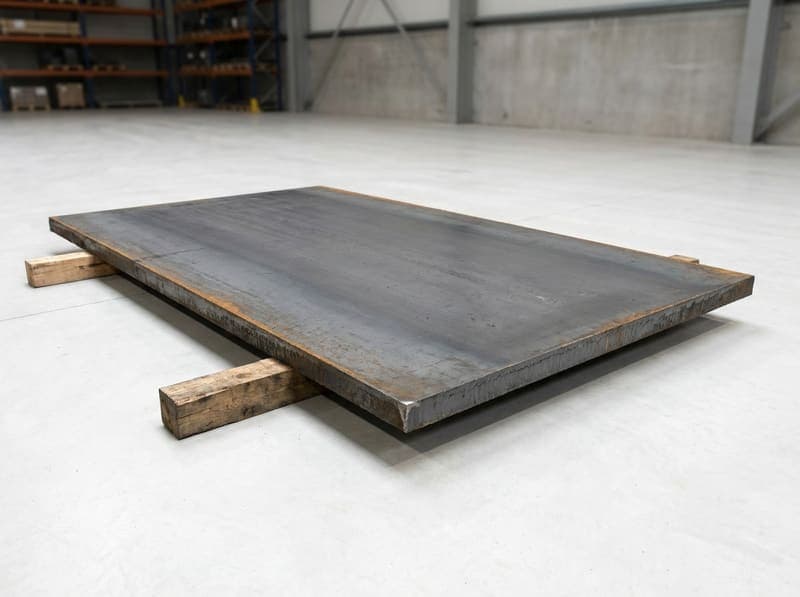 Illustrative render
A516 · Plate
Carbon steel · cut_piece
14 × 2500 × 2760 mm · 758.31 kg
Excess Project Material
Dubai · Origin No · 1 pcs · Listed 14 Aug 2026
Price on requestAsk us on WhatsApp
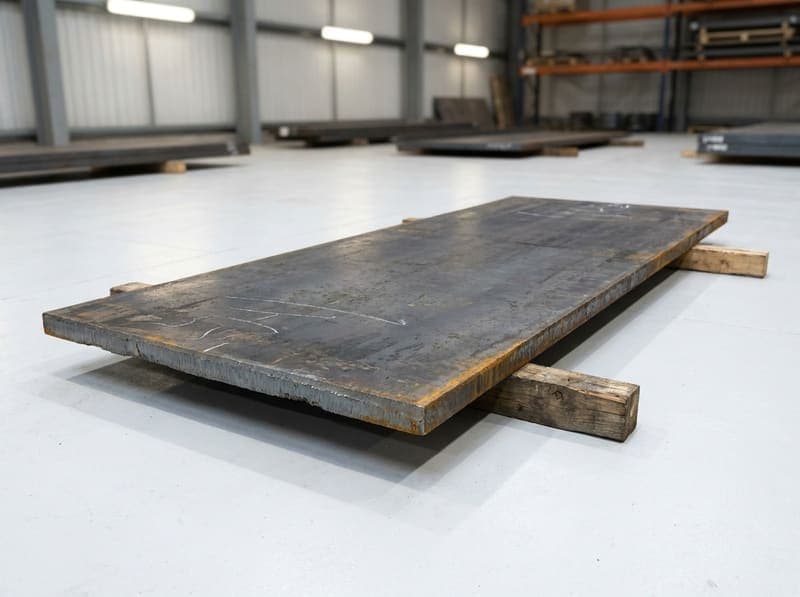 Illustrative render
A516 · Plate
Carbon steel · cut_piece
14 × 1300 × 2500 mm · 357.18 kg
Excess Project Material
Dubai · Origin No · 1 pcs · Listed 14 Aug 2026
Price on requestAsk us on WhatsApp
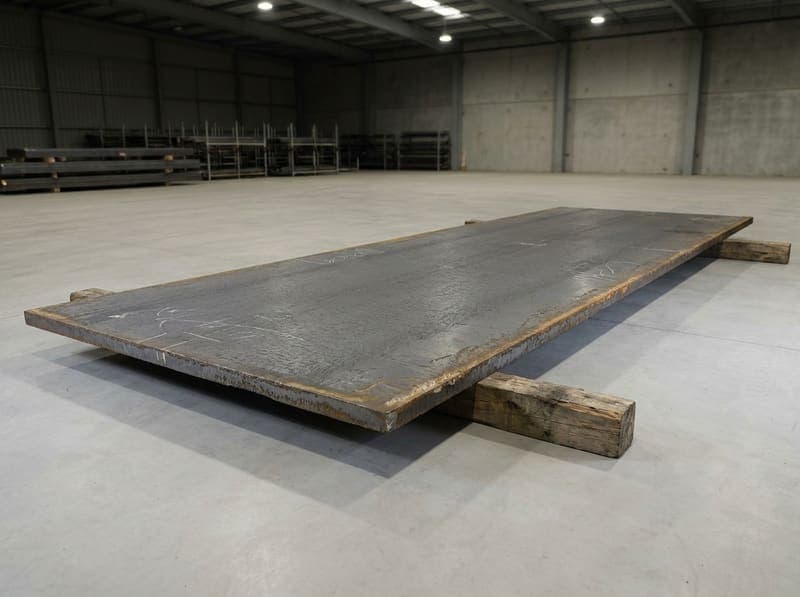 Illustrative render
A516 · Plate
Carbon steel · cut_piece
15 × 1280 × 5300 mm · 798.82 kg
Excess Project Material
Dubai · Origin No · 1 pcs · Listed 14 Aug 2026
Price on requestAsk us on WhatsApp
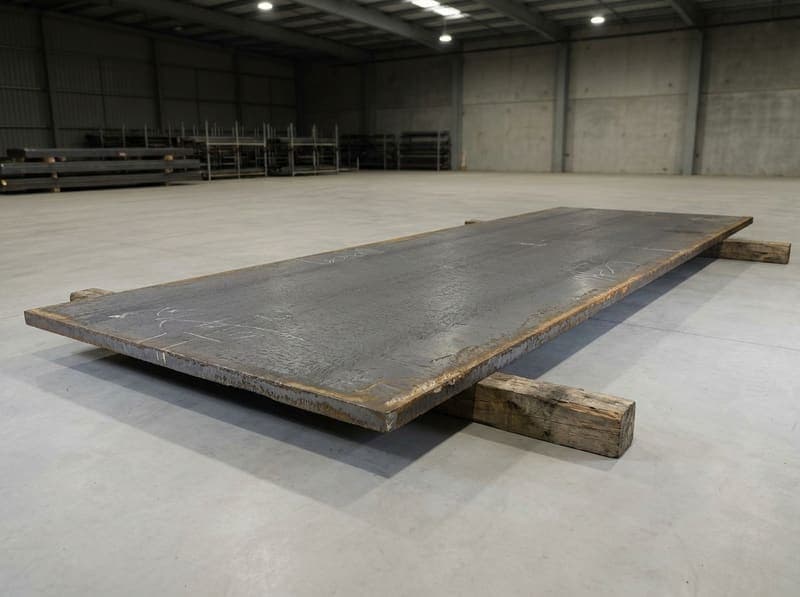 Illustrative render
A516 · Plate
Carbon steel · cut_piece
16 × 3000 × 10000 mm · 3768 kg
Excess Project Material
Dubai · Origin No · 1 pcs · Listed 14 Aug 2026
Price on requestAsk us on WhatsApp
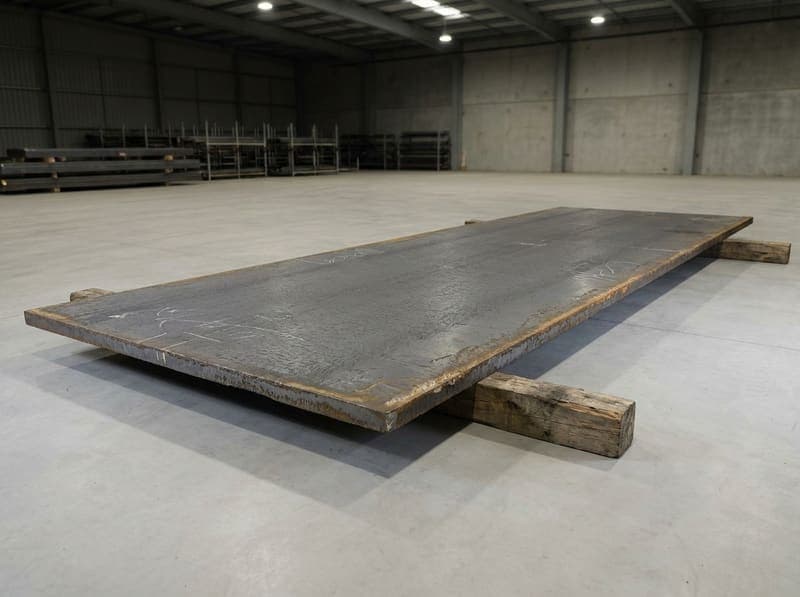 Illustrative render
A516 · Plate
Carbon steel · cut_piece
16 × 2500 × 12000 mm · 3768 kg
Excess Project Material
Dubai · Origin No · 1 pcs · Listed 14 Aug 2026
Price on requestAsk us on WhatsApp
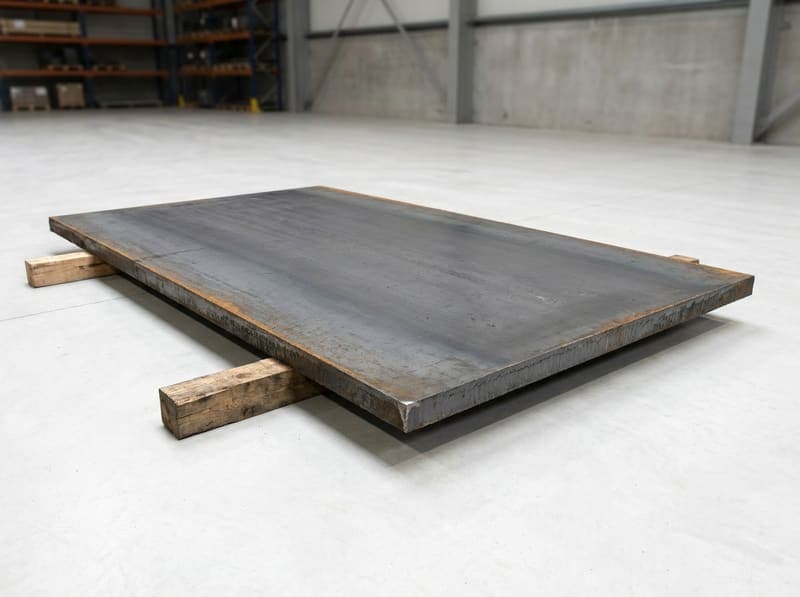 Illustrative render
A516 · Plate
Carbon steel · cut_piece
16 × 3000 × 3420 mm · 1288.66 kg
Excess Project Material
Dubai · Origin No · 1 pcs · Listed 14 Aug 2026
Price on requestAsk us on WhatsApp
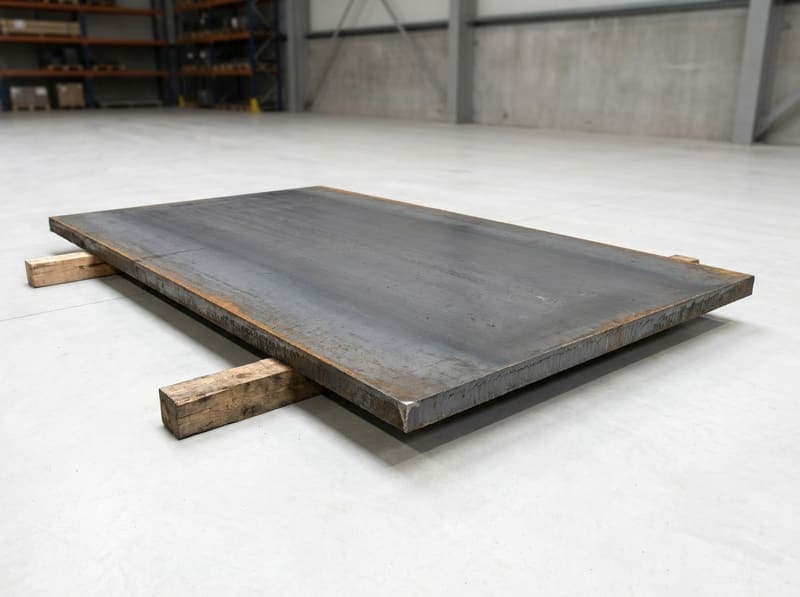 Illustrative render
A516 · Plate
Carbon steel · cut_piece
18 × 1600 × 2000 mm · 452.16 kg
Excess Project Material
Dubai · Origin No · 1 pcs · Listed 14 Aug 2026
Price on requestAsk us on WhatsApp
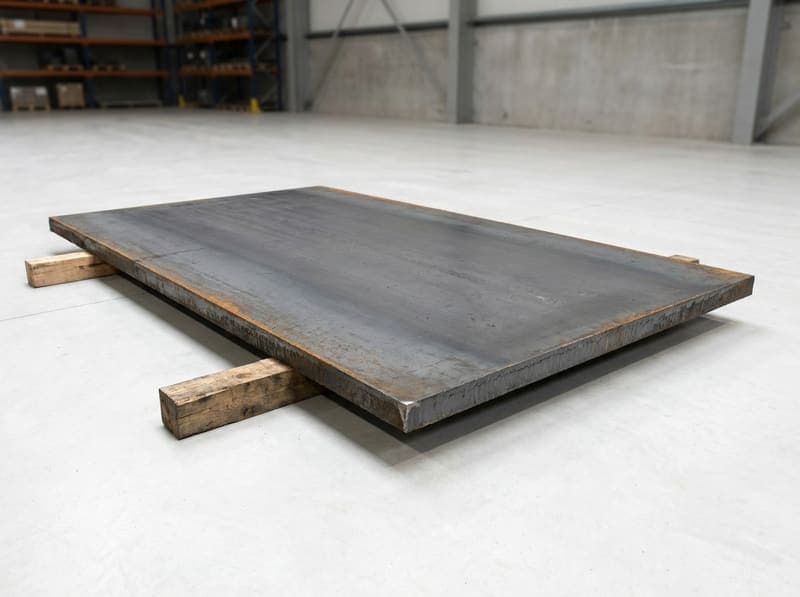 Illustrative render
A516 · Plate
Carbon steel · cut_piece
18 × 1930 × 3060 mm · 834.49 kg
Excess Project Material
Dubai · Origin No · 1 pcs · Listed 14 Aug 2026
Price on requestAsk us on WhatsApp
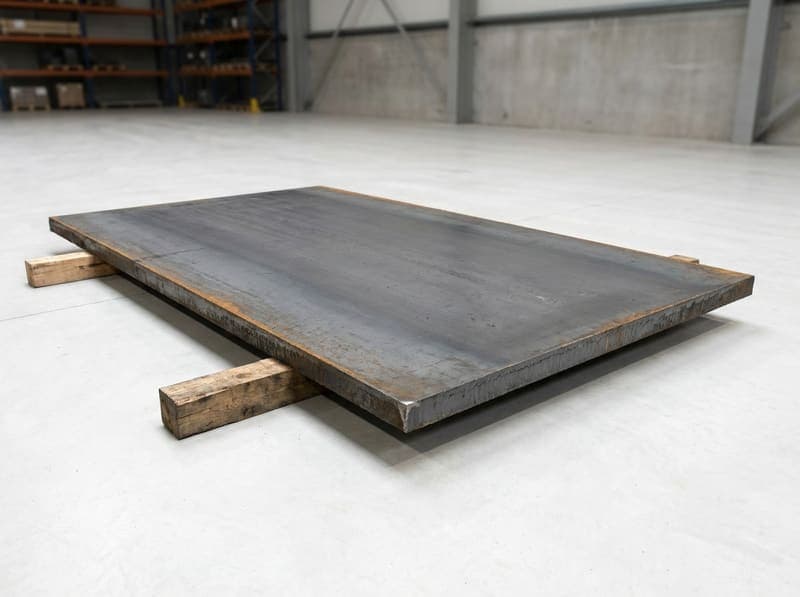 Illustrative render
A516 · Plate
Carbon steel · cut_piece
18 × 3000 × 3850 mm · 1632.02 kg
Excess Project Material
Dubai · Origin No · 1 pcs · Listed 14 Aug 2026
Price on requestAsk us on WhatsApp
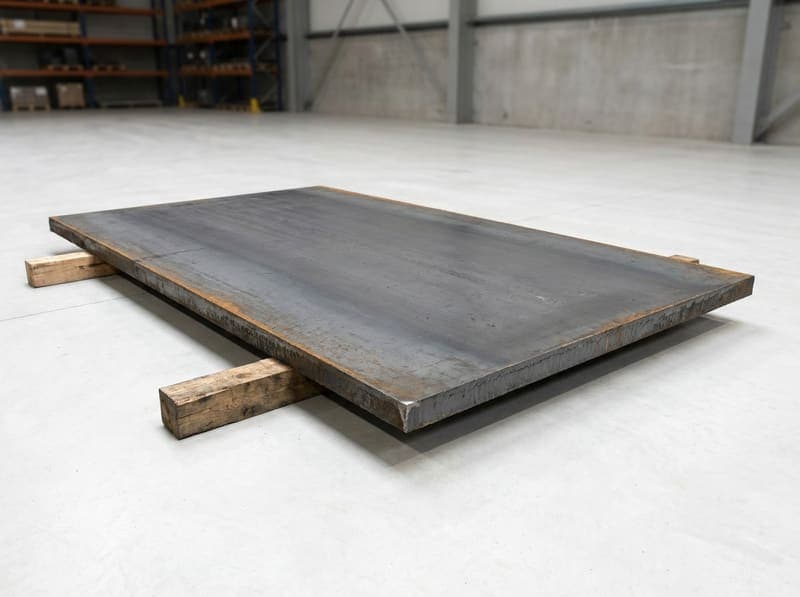 Illustrative render
A516 · Plate
Carbon steel · cut_piece
18 × 1800 × 1870 mm · 475.62 kg
Excess Project Material
Dubai · Origin No · 1 pcs · Listed 14 Aug 2026
Price on requestAsk us on WhatsApp
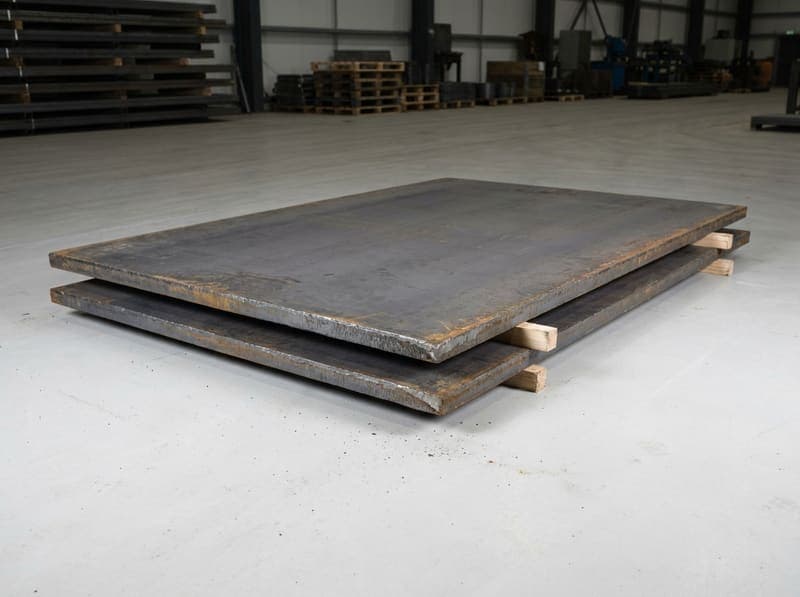 Illustrative render
A516 · Plate
Carbon steel · cut_piece
18 × 2000 × 2500 mm · 706.5 kg
Excess Project Material
Dubai · Origin No · 2 pcs · Listed 14 Aug 2026
Price on requestAsk us on WhatsApp
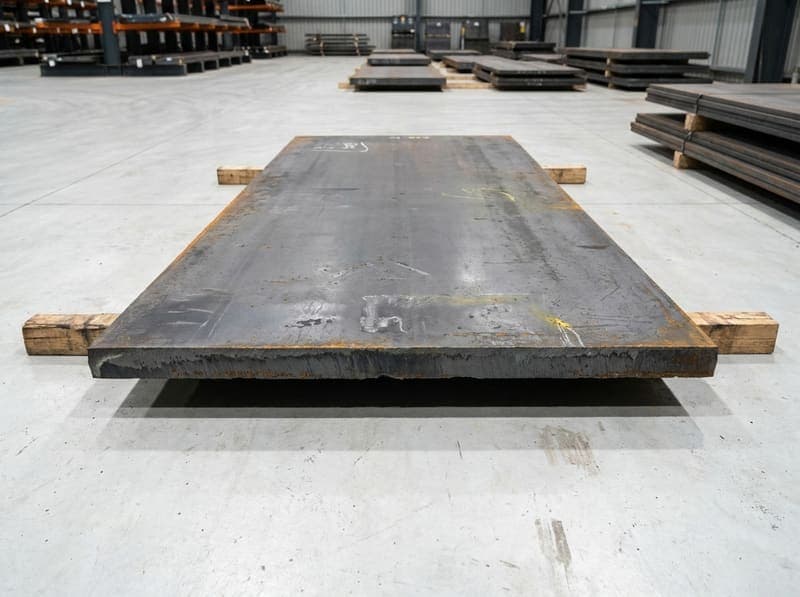 Illustrative render
A516 · Plate
Carbon steel · cut_piece
22 × 1180 × 2380 mm · 485.01 kg
Excess Project Material
Dubai · Origin No · 1 pcs · Listed 14 Aug 2026
Price on requestAsk us on WhatsApp
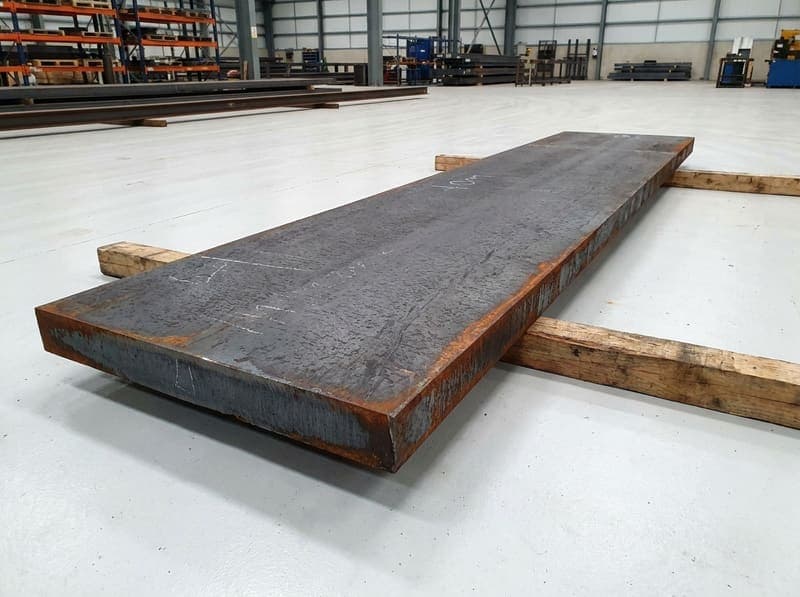 Illustrative render
A516 · Plate
Carbon steel · cut_piece
24 × 880 × 12000 mm · 1989.5 kg
Excess Project Material
Dubai · Origin No · 1 pcs · Listed 14 Aug 2026
Price on requestAsk us on WhatsApp
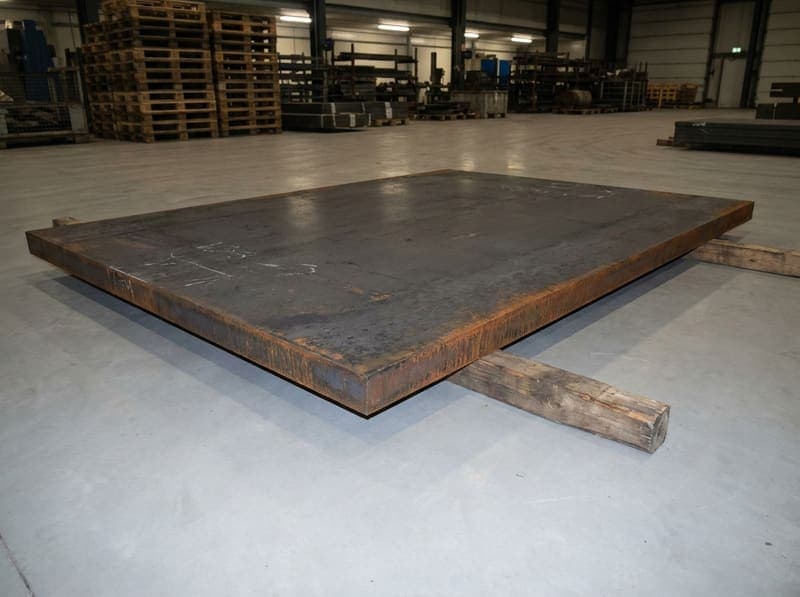 Illustrative render
A516 · Plate
Carbon steel · cut_piece
24 × 2000 × 3000 mm · 1130.4 kg
Excess Project Material
Dubai · Origin No · 1 pcs · Listed 14 Aug 2026
Price on requestAsk us on WhatsApp
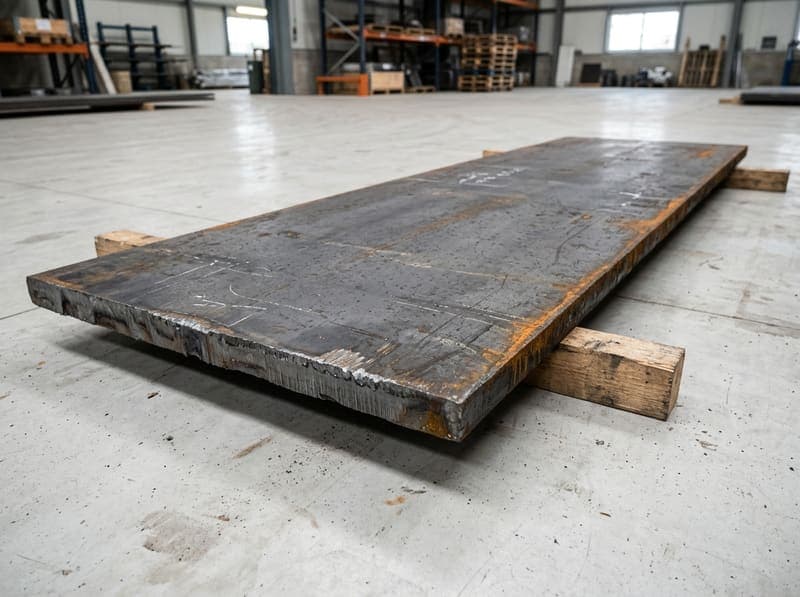 Illustrative render
A516 · Plate
Carbon steel · cut_piece
25 × 720 × 3540 mm · 500.2 kg
Excess Project Material
Dubai · Origin No · 1 pcs · Listed 14 Aug 2026
Price on requestAsk us on WhatsApp
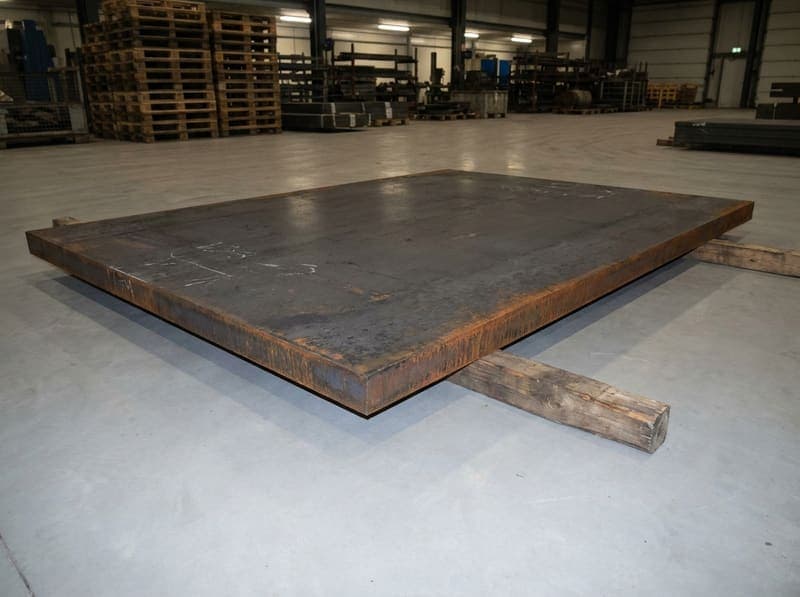 Illustrative render
A516 · Plate
Carbon steel · cut_piece
28 × 1820 × 2500 mm · 1000.09 kg
Excess Project Material
Dubai · Origin No · 1 pcs · Listed 14 Aug 2026
Price on requestAsk us on WhatsApp
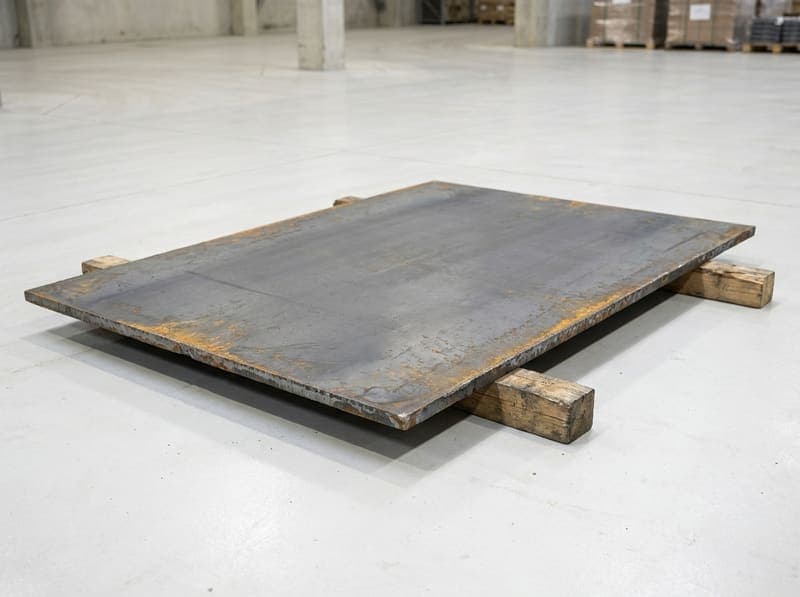 Illustrative render
A516 · Plate
Carbon steel · cut_piece
6 × 1640 × 1970 mm · 152.17 kg
Excess Project Material
Dubai · Origin No · 1 pcs · Listed 14 Aug 2026
Price on requestAsk us on WhatsApp
Subject to Prior Sale and Final Availability Confirmation.
Any yard building air receivers, LPG bullets, separators, heat-exchanger shells or storage tanks in the region runs on A516 Gr.70. The specification's point is predictability under welding and pressure: fine grain practice, controlled chemistry, and optional normalising or impact testing for colder duty. The certificate — usually stamped SA516 for ASME code work — travels with the plate and matters as much as the steel.
Off-cuts from vessel work are typically generous: nozzle drops, shell ring remnants, test-plate surplus in serious thicknesses. For repair patches, saddle plates, blinds and small vessels they carry the full pedigree at surplus prices — check the MTC badge and the exact thickness on each listing.
Common questions
What is the difference between A516 Gr.70 and A36 plate?
A516 is vessel quality: tighter chemistry, fine grain, guaranteed toughness options and higher tensile. A36 is structural plate. They overlap in look, never in paperwork — pressure work requires the A516 certificate.
When does A516 plate need to be normalised?
Above 40 mm thickness the specification requires it; below that it is a purchaser's option, commonly invoked for low-temperature or sour service. The certificate states the delivery condition.
Can A516 Gr.70 be used for sour (H2S) service?
Frequently, with additional requirements — HIC testing and hardness limits per NACE MR0175 are ordered on top of the base spec. Only the certificate shows whether a given plate was tested for it.