GRADE GUIDE · 316L
316L stainless steel off-cuts
316L is the low-carbon marine stainless — 2–3% molybdenum for chloride resistance, carbon capped at 0.03% so welds stay clean. It is the most specified stainless grade in Gulf coastal and process work: seawater splash zones, pool surrounds, chemical lines, desalination auxiliaries.
Also listed as: UNS S31603 · EN 1.4404 · X2CrNiMo17-12-2 · SUS 316L
Live 316L stock
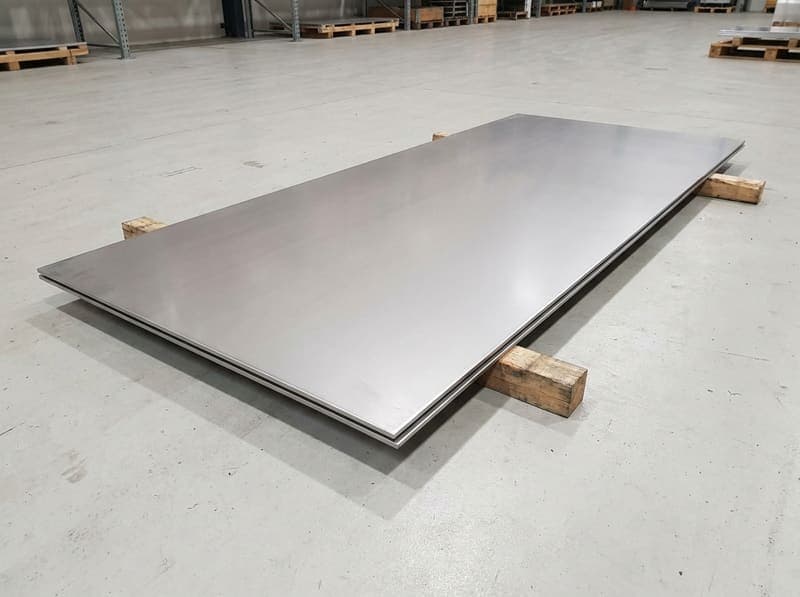 Illustrative render
316L · Plate
Stainless steel · cut_piece
1 × 1219 × 2438 mm · 23.78 kg
Excess Project Material
Dubai · Origin No · 1 pcs · Listed 14 Aug 2026
Price on requestAsk us on WhatsApp
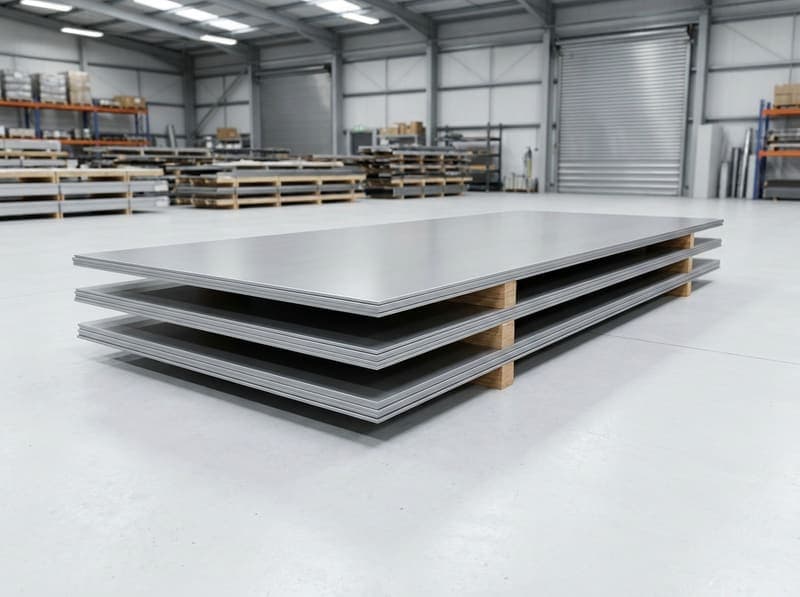 Illustrative render
316L · Plate
Stainless steel · cut_piece
1.2 × 1220 × 2550 mm · 29.87 kg
Excess Project Material
Dubai · Origin No · 8 pcs · Listed 14 Aug 2026
Price on requestAsk us on WhatsApp
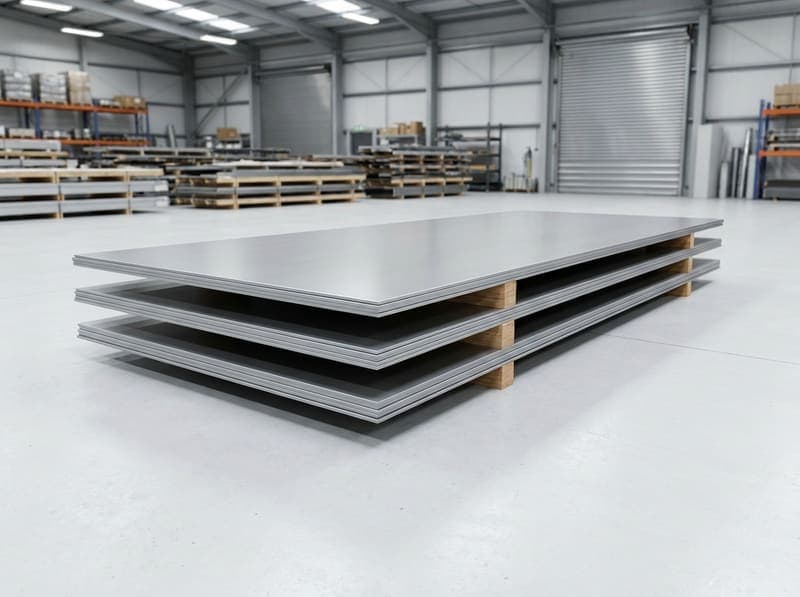 Illustrative render
316L · Plate
Stainless steel · cut_piece
1.5 × 1220 × 3000 mm · 43.92 kg
Excess Project Material
Dubai · Origin No · 2 pcs · Listed 14 Aug 2026
Price on requestAsk us on WhatsApp
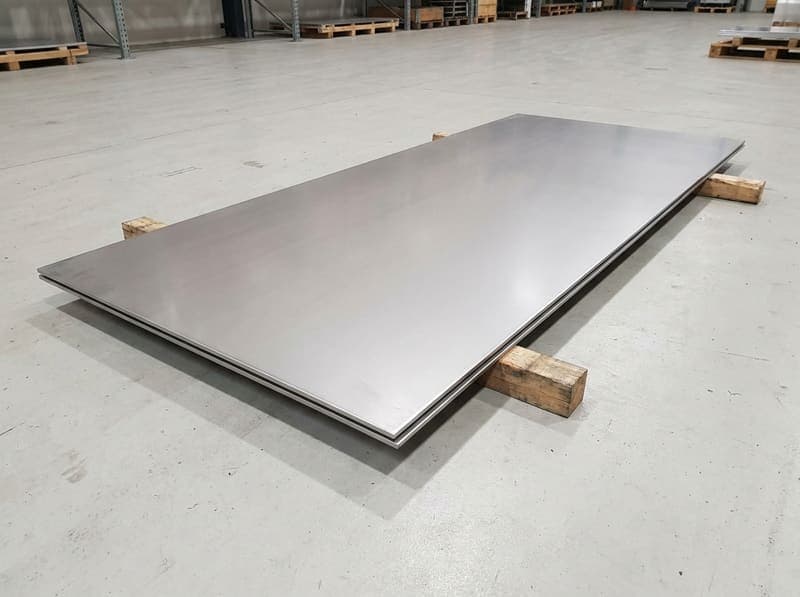 Illustrative render
316L · Plate
Stainless steel · cut_piece
1.5 × 1219 × 2695 mm · 39.42 kg
Excess Project Material
Dubai · Origin No · 1 pcs · Listed 14 Aug 2026
Price on requestAsk us on WhatsApp
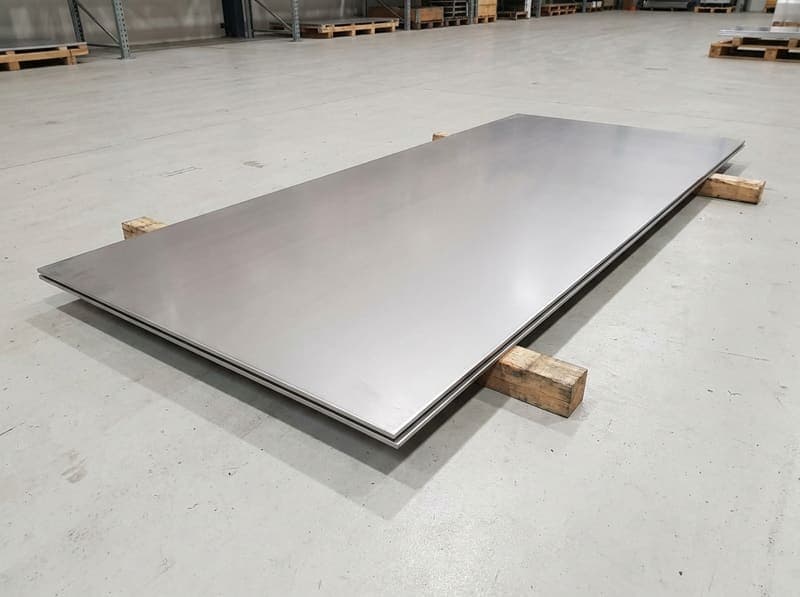 Illustrative render
316L · Plate
Stainless steel · cut_piece
2 × 1219 × 2438 mm · 47.55 kg
Excess Project Material
Dubai · Origin No · 1 pcs · Listed 14 Aug 2026
Price on requestAsk us on WhatsApp
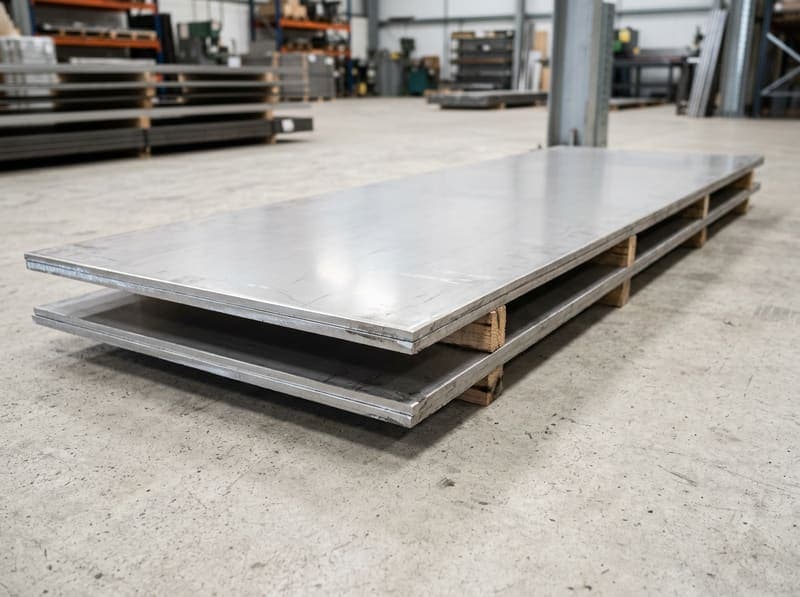 Illustrative render
316L · Plate
Stainless steel · cut_piece
3 × 1500 × 4500 mm · 162 kg
Excess Project Material
Dubai · Origin No · 2 pcs · Listed 14 Aug 2026
Price on requestAsk us on WhatsApp
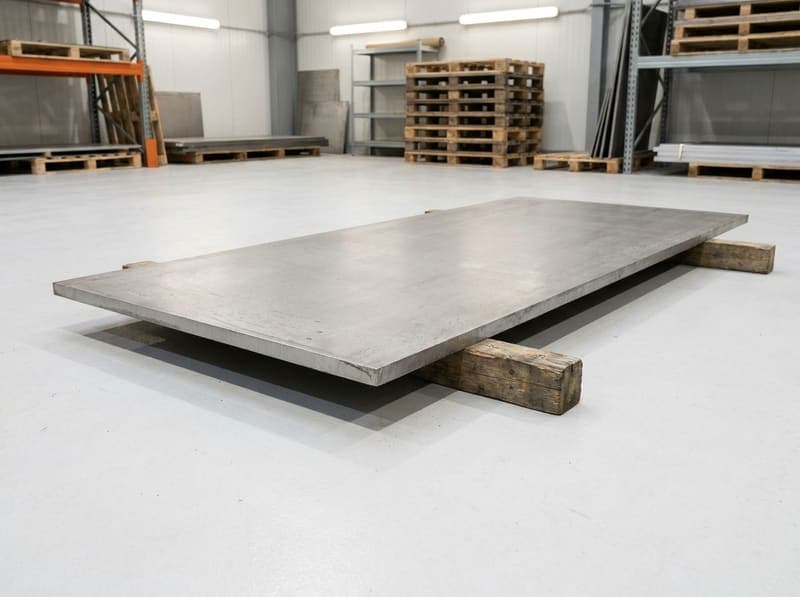 Illustrative render
316L · Plate
Stainless steel · cut_piece
3 × 1800 × 4000 mm · 172.8 kg
Excess Project Material
Dubai · Origin No · 1 pcs · Listed 14 Aug 2026
Price on requestAsk us on WhatsApp
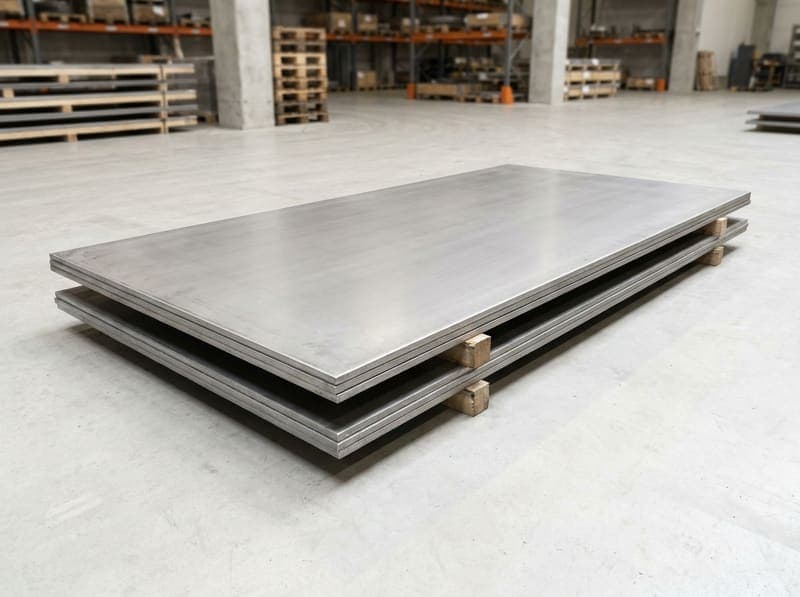 Illustrative render
316L · Plate
Stainless steel · cut_piece
3 × 1500 × 3000 mm · 108 kg
Excess Project Material
Dubai · Origin No · 2 pcs · Listed 14 Aug 2026
Price on requestAsk us on WhatsApp
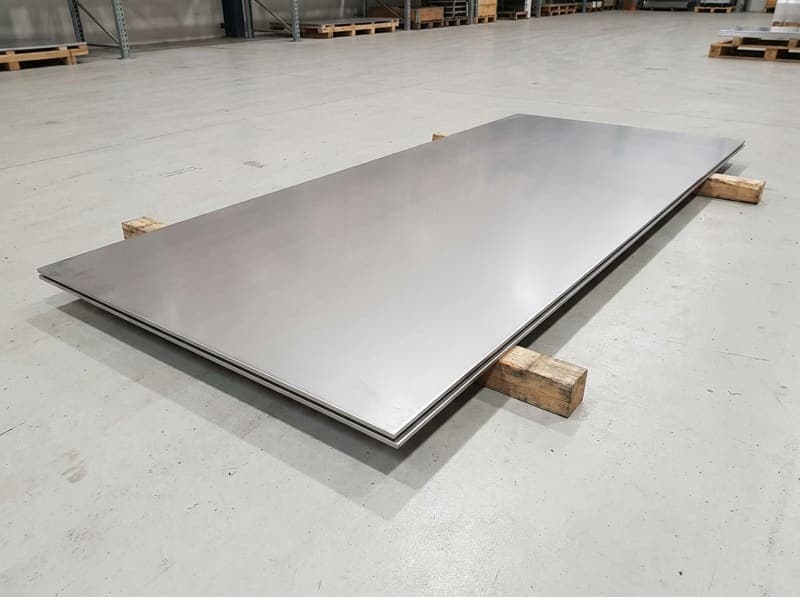 Illustrative render
316L · Plate
Stainless steel · cut_piece
3 × 1219 × 3000 mm · 87.77 kg
Excess Project Material
Dubai · Origin No · 1 pcs · Listed 14 Aug 2026
Price on requestAsk us on WhatsApp
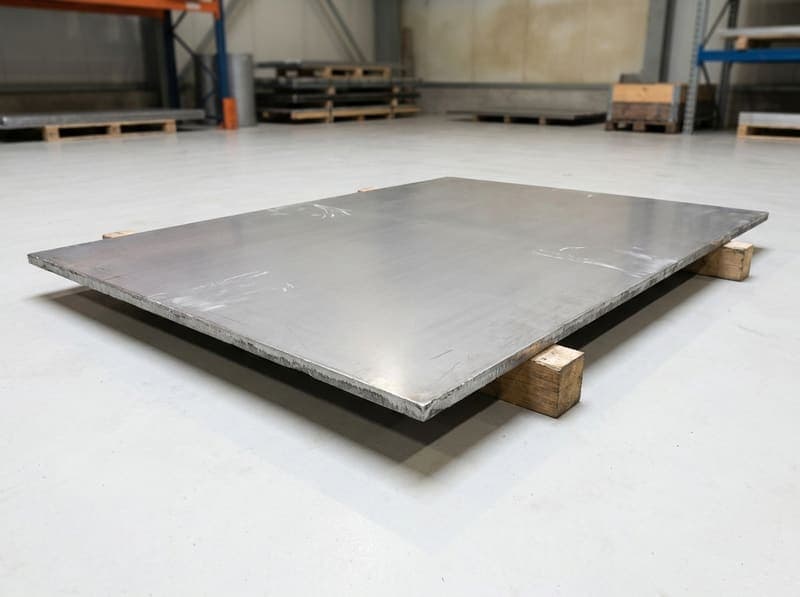 Illustrative render
316L · Plate
Stainless steel · cut_piece
3 × 3000 × 4000 mm · 288 kg
Excess Project Material
Dubai · Origin No · 1 pcs · Listed 14 Aug 2026
Price on requestAsk us on WhatsApp
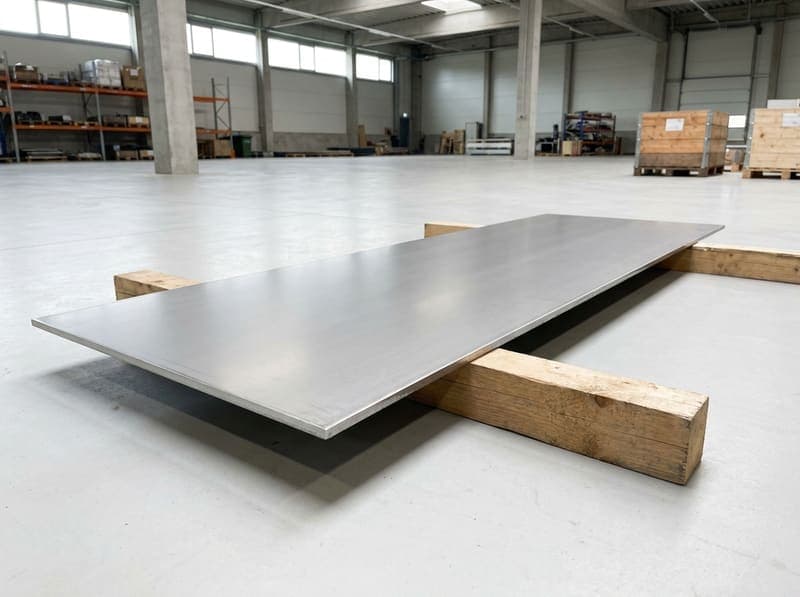 Illustrative render
316L · Plate
Stainless steel · cut_piece
3 × 2000 × 6000 mm · 288 kg
Excess Project Material
Dubai · Origin No · 1 pcs · Listed 14 Aug 2026
Price on requestAsk us on WhatsApp
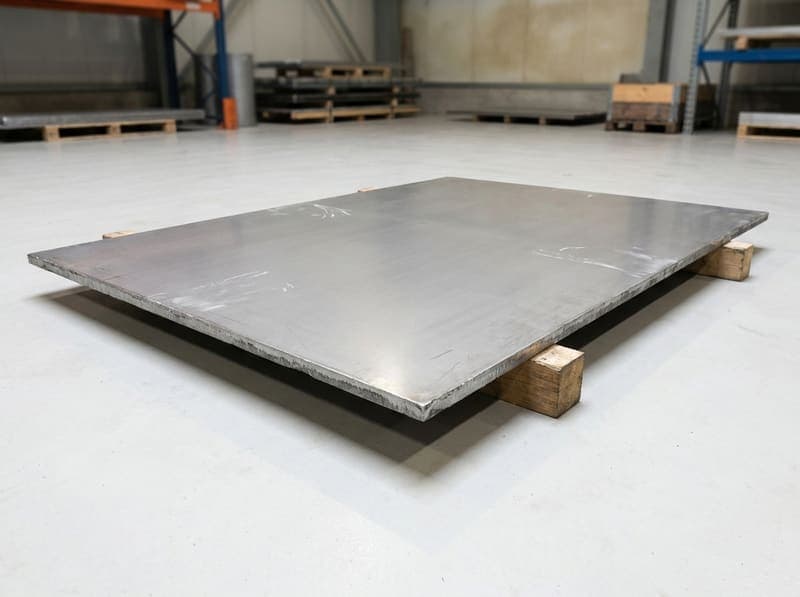 Illustrative render
316L · Plate
Stainless steel · cut_piece
3 × 1219 × 1460 mm · 42.71 kg
Excess Project Material
Dubai · Origin No · 1 pcs · Listed 14 Aug 2026
Price on requestAsk us on WhatsApp
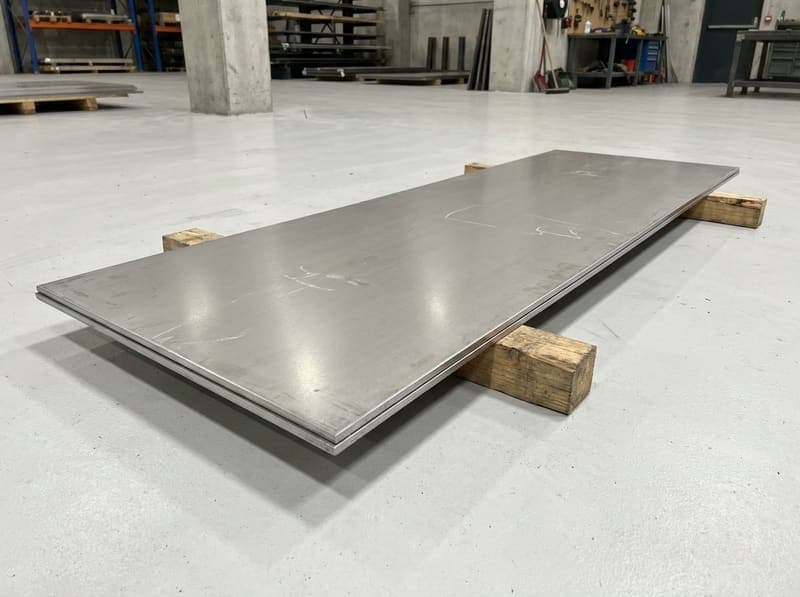 Illustrative render
316L · Plate
Stainless steel · cut_piece
4 × 400 × 4000 mm · 51.2 kg
Excess Project Material
Dubai · Origin No · 1 pcs · Listed 14 Aug 2026
Price on requestAsk us on WhatsApp
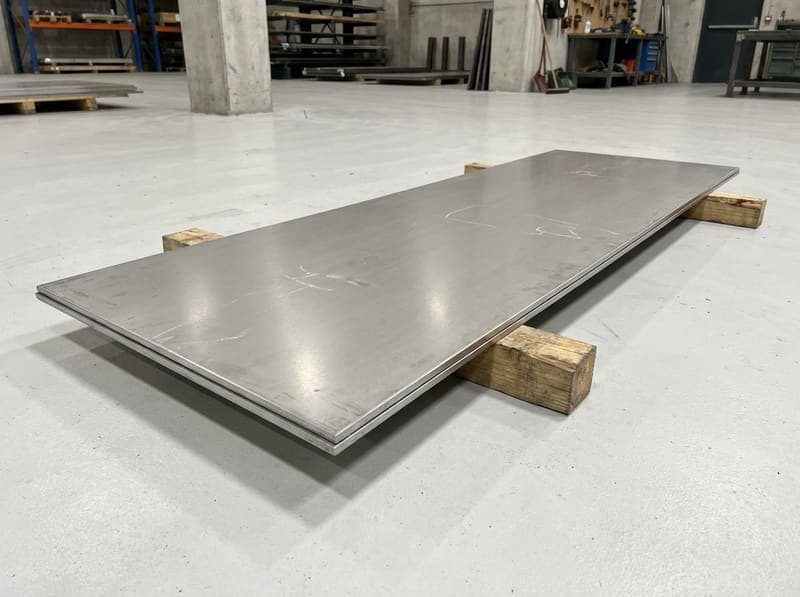 Illustrative render
316L · Plate
Stainless steel · cut_piece
4 × 375 × 4000 mm · 48 kg
Excess Project Material
Dubai · Origin No · 1 pcs · Listed 14 Aug 2026
Price on requestAsk us on WhatsApp
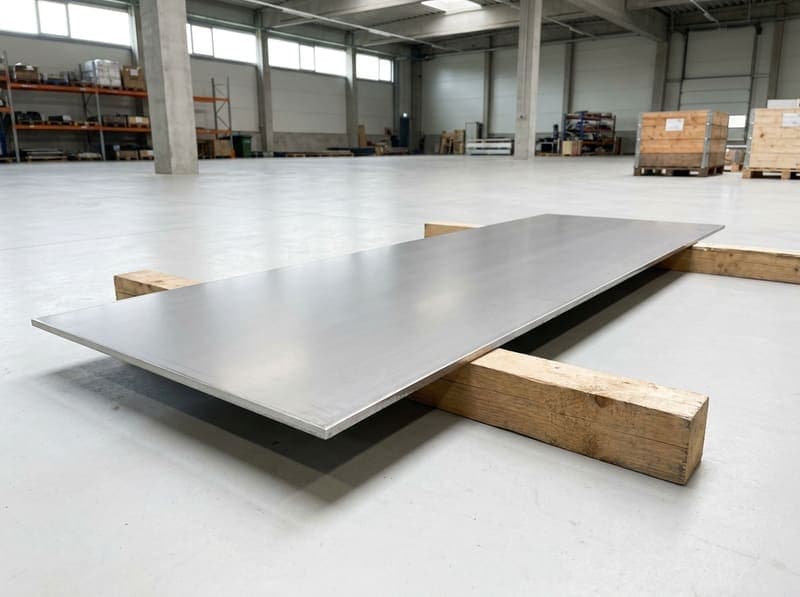 Illustrative render
316L · Plate
Stainless steel · cut_piece
4 × 500 × 2000 mm · 32 kg
Excess Project Material
Dubai · Origin No · 1 pcs · Listed 14 Aug 2026
Price on requestAsk us on WhatsApp
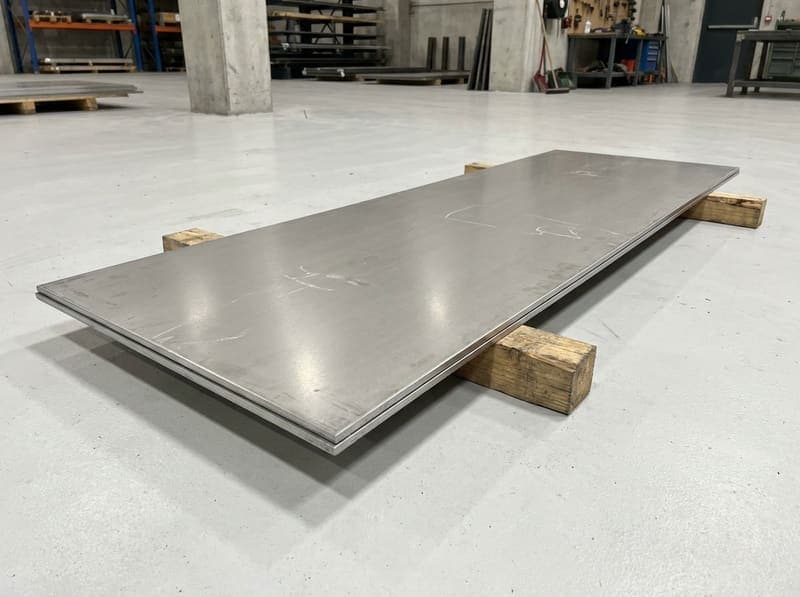 Illustrative render
316L · Plate
Stainless steel · cut_piece
4 × 460 × 2000 mm · 29.44 kg
Excess Project Material
Dubai · Origin No · 1 pcs · Listed 14 Aug 2026
Price on requestAsk us on WhatsApp
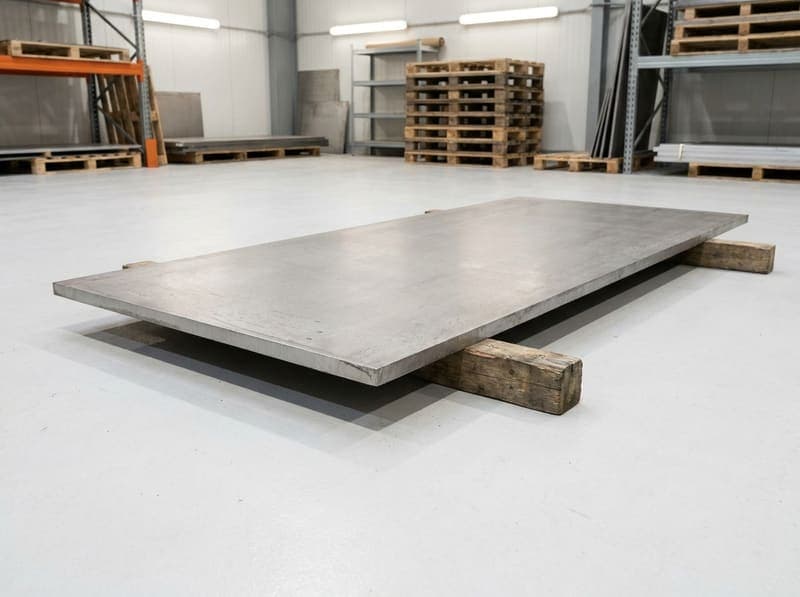 Illustrative render
316L · Plate
Stainless steel · cut_piece
4 × 1740 × 4000 mm · 222.72 kg
Excess Project Material
Dubai · Origin No · 1 pcs · Listed 14 Aug 2026
Price on requestAsk us on WhatsApp
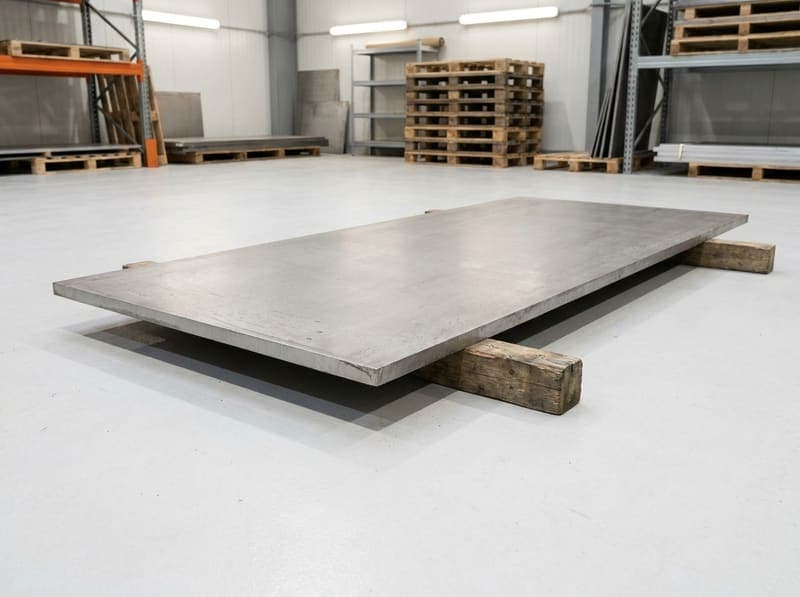 Illustrative render
316L · Plate
Stainless steel · cut_piece
4 × 1480 × 4000 mm · 189.44 kg
Excess Project Material
Dubai · Origin No · 1 pcs · Listed 14 Aug 2026
Price on requestAsk us on WhatsApp
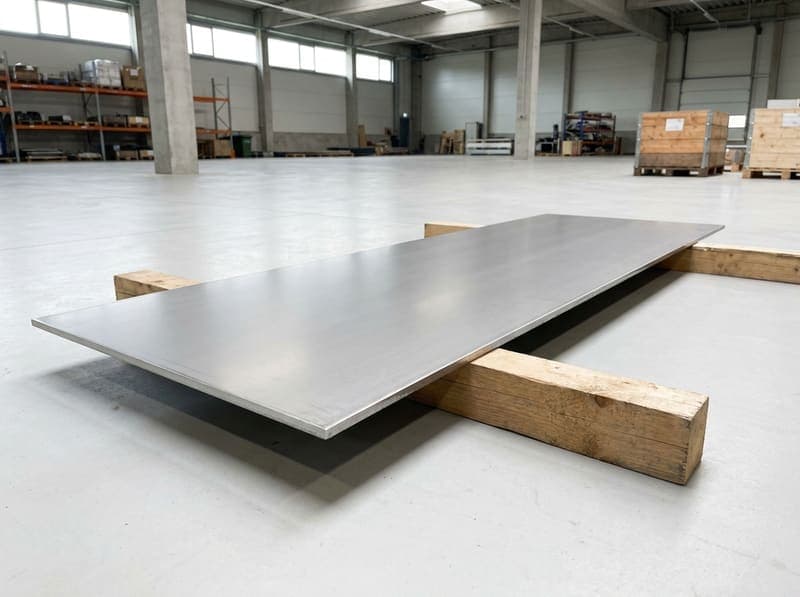 Illustrative render
316L · Plate
Stainless steel · cut_piece
4 × 2000 × 6000 mm · 384 kg
Excess Project Material
Dubai · Origin No · 1 pcs · Listed 14 Aug 2026
Price on requestAsk us on WhatsApp
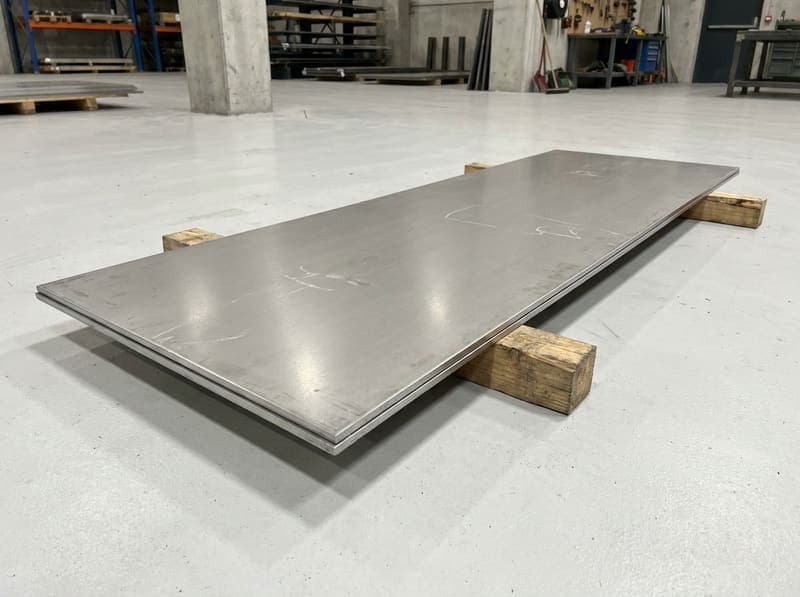 Illustrative render
316L · Plate
Stainless steel · cut_piece
4 × 500 × 4000 mm · 64 kg
Excess Project Material
Dubai · Origin No · 1 pcs · Listed 14 Aug 2026
Price on requestAsk us on WhatsApp
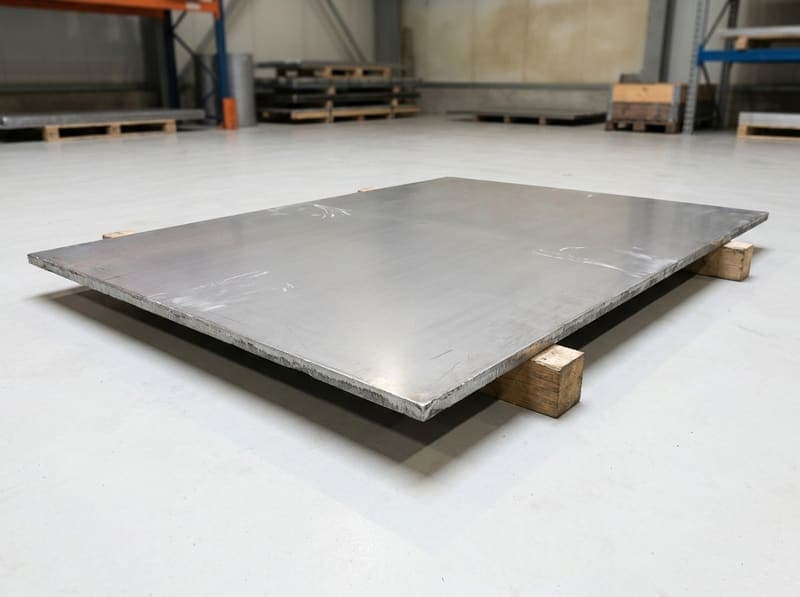 Illustrative render
316L · Plate
Stainless steel · cut_piece
4 × 2000 × 2500 mm · 160 kg
Excess Project Material
Dubai · Origin No · 1 pcs · Listed 14 Aug 2026
Price on requestAsk us on WhatsApp
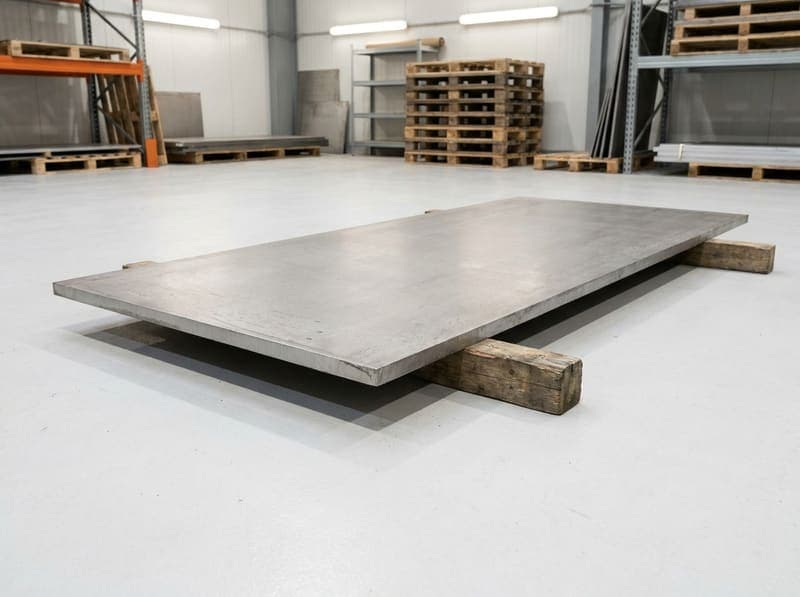 Illustrative render
316L · Plate
Stainless steel · cut_piece
4 × 600 × 1500 mm · 28.8 kg
Excess Project Material
Dubai · Origin No · 1 pcs · Listed 14 Aug 2026
Price on requestAsk us on WhatsApp
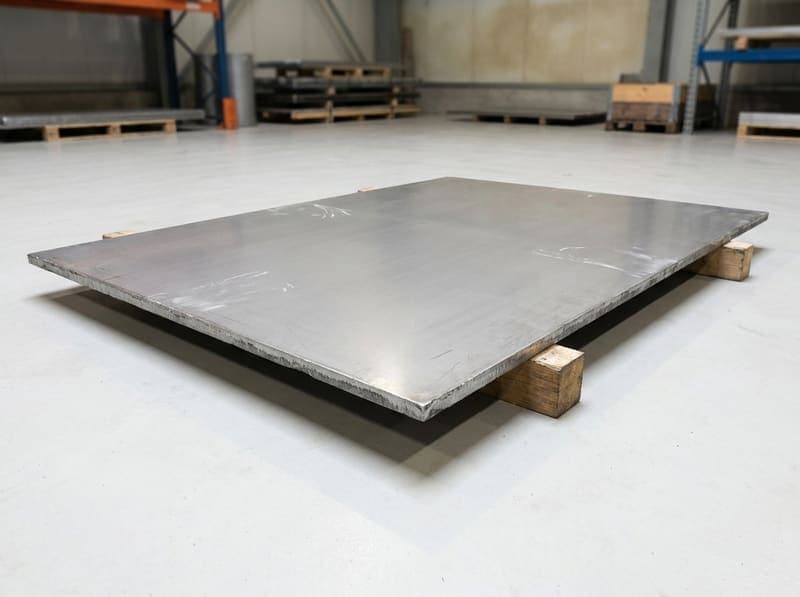 Illustrative render
316L · Plate
Stainless steel · cut_piece
4 × 1500 × 1660 mm · 79.68 kg
Excess Project Material
Dubai · Origin No · 1 pcs · Listed 14 Aug 2026
Price on requestAsk us on WhatsApp
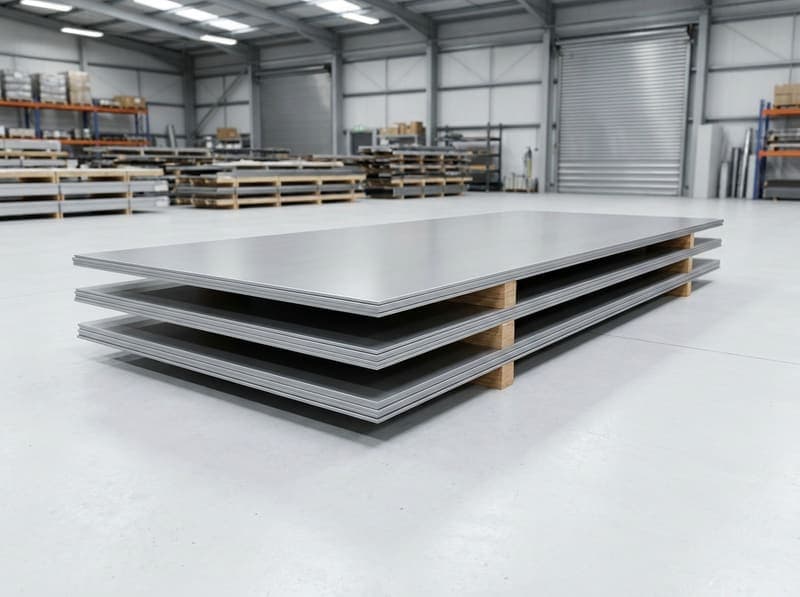 Illustrative render
316L · Plate
Stainless steel · cut_piece
0.6 × 1500 × 3000 mm · 21.6 kg
Excess Project Material
Dubai · Origin No · 3 pcs · Listed 14 Aug 2026
Price on requestAsk us on WhatsApp
Subject to Prior Sale and Final Availability Confirmation.
In practice 316L is the UAE's default "serious" stainless. Consultants specify it wherever salt or chemistry is involved, and because nearly all of that work is welded, the L variant — immune to weld-zone sensitisation — has largely displaced plain 316 in plate and pipe. Most modern material is dual-certified 316/316L anyway.
A 316L off-cut with its mill certificate is genuinely useful surplus: the grade carries a real premium at the mill, and jobs that need it tend to need a metre, not a tonne. Check the MTC badge on the listing — pieces with an EN 10204 3.1 certificate release the document to you after purchase.
Common questions
Is 316L the right grade for a swimming-pool handrail?
Yes — it is the standard choice for pool surrounds and coastal balustrades. Rinse-down maintenance still helps; even 316L tea-stains if chloride deposits sit on it unwashed.
Can I substitute 316L where the drawing says 316?
Almost always — 316L meets 316 chemistry apart from carbon, and dual-certified material satisfies both. Only a spec that leans on 316's slightly higher strength minimum would block the swap; check the certificate.
How does 316L compare with duplex 2205?
2205 is roughly twice as strong and more resistant to chloride pitting and cracking, with less nickel. For structural marine parts it often wins; 316L keeps the advantage in formability and availability.