GRADE GUIDE · 321
321 stainless steel off-cuts
321 is 18/8 stainless stabilised with titanium, built for sustained service in the 425–800 °C window where plain 304 would sensitise. It is the grade for exhaust systems, expansion bellows, heater components and heat-exchanger parts that cycle hot.
Also listed as: UNS S32100 · EN 1.4541 · X6CrNiTi18-10 · SUS 321
Live 321 stock
 Illustrative render
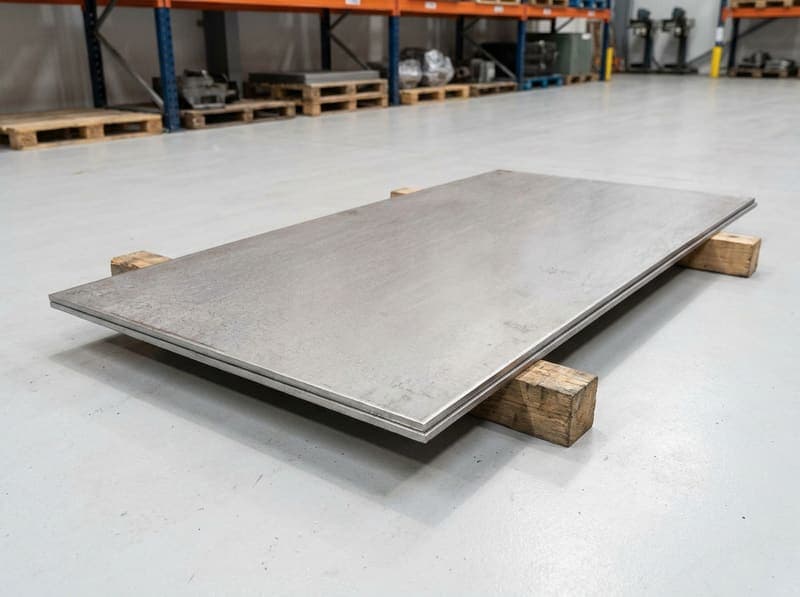
321 · Plate
Stainless steel · cut_piece
2 × 1219 × 2438 mm · 46.96 kg
Excess Project Material
Dubai · Origin No · 1 pcs · Listed 14 Aug 2026
Price on requestAsk us on WhatsApp
 Illustrative render
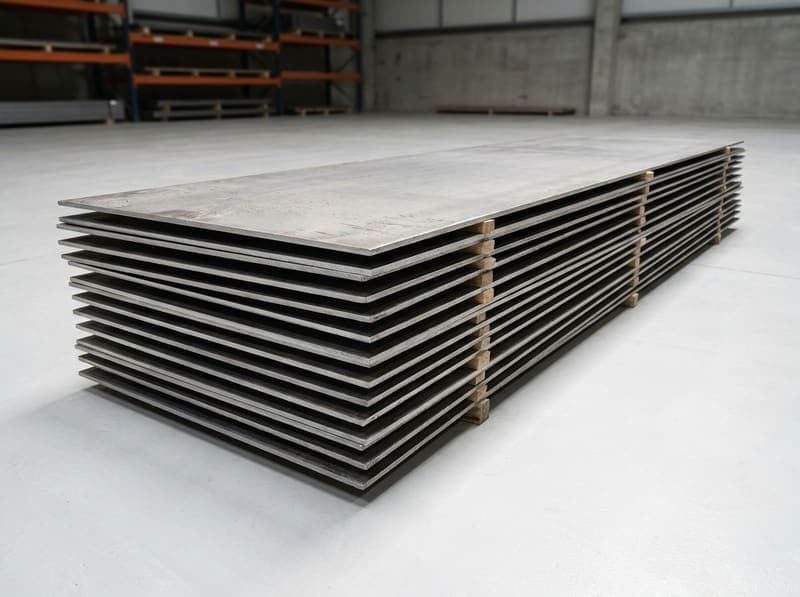
321 · Plate
Stainless steel · cut_piece
3 × 300 × 6000 mm · 42.66 kg
Excess Project Material
Dubai · Origin No · 12 pcs · Listed 14 Aug 2026
Price on requestAsk us on WhatsApp
 Illustrative render
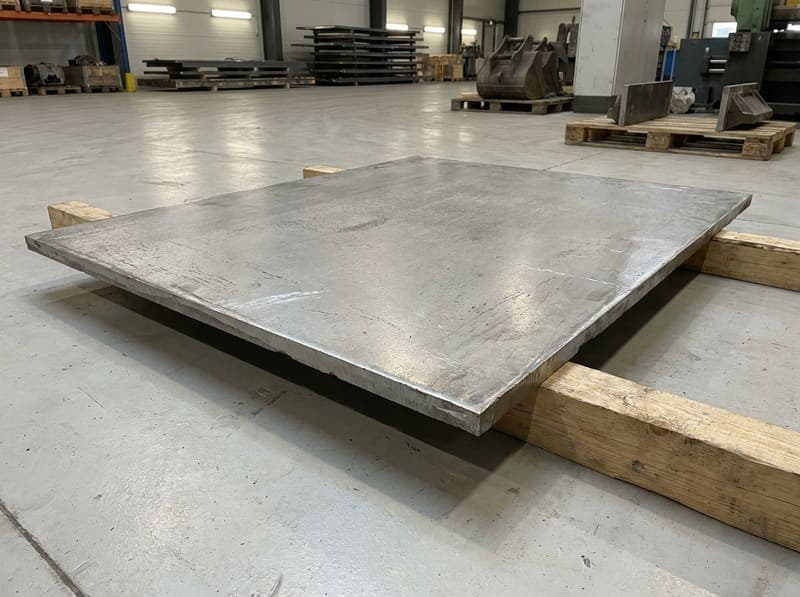
321 · Plate
Stainless steel · cut_piece
8 × 1010 × 1115 mm · 71.17 kg
Excess Project Material
Dubai · Origin No · 1 pcs · Listed 14 Aug 2026
Price on requestAsk us on WhatsApp
 Illustrative render
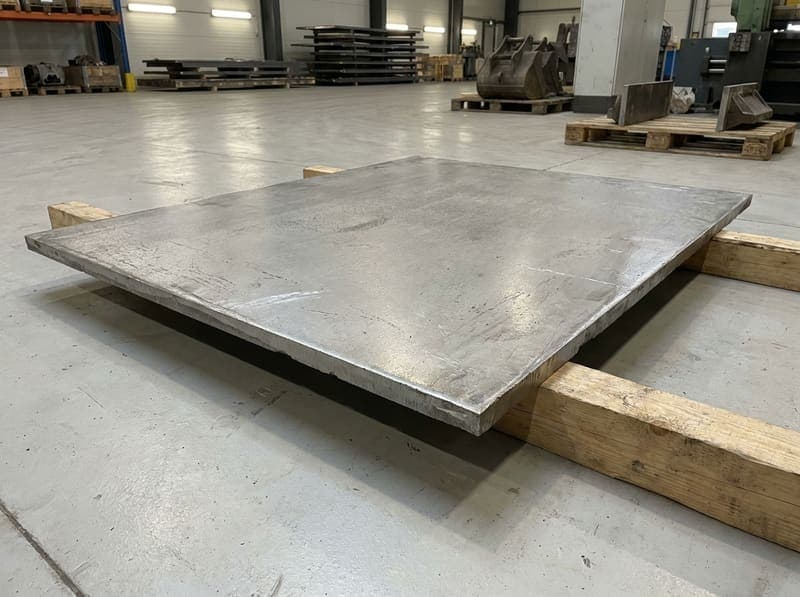
321 · Plate
Stainless steel · cut_piece
8 × 1935 × 2120 mm · 259.26 kg
Excess Project Material
Dubai · Origin No · 1 pcs · Listed 14 Aug 2026
Price on requestAsk us on WhatsApp
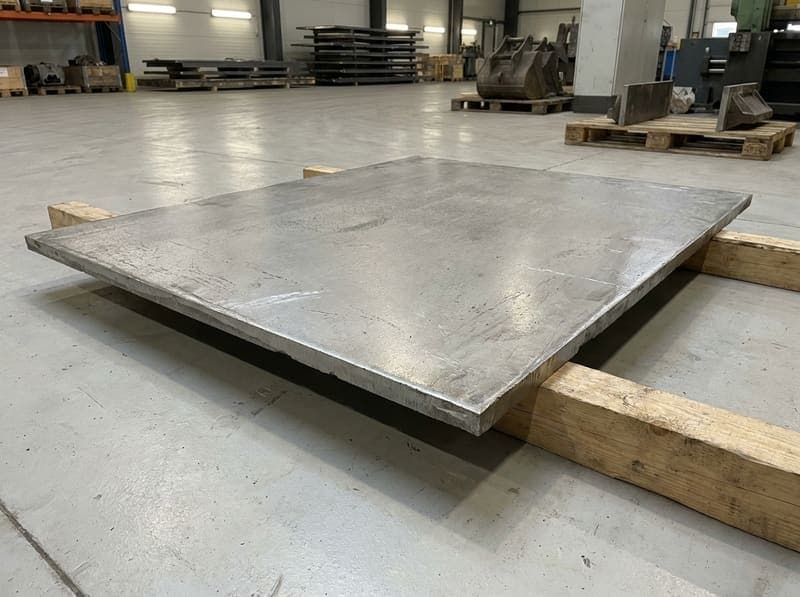 Illustrative render
321 · Plate
Stainless steel · cut_piece
8 × 1100 × 1460 mm · 101.5 kg
Excess Project Material
Dubai · Origin No · 1 pcs · Listed 14 Aug 2026
Price on requestAsk us on WhatsApp
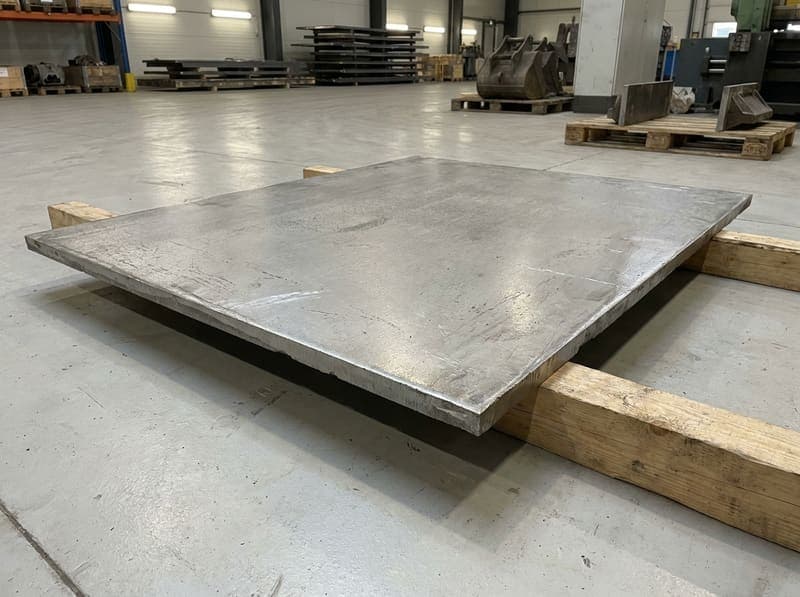 Illustrative render
321 · Plate
Stainless steel · cut_piece
10 × 1600 × 2000 mm · 252.8 kg
Excess Project Material
Dubai · Origin No · 1 pcs · Listed 14 Aug 2026
Price on requestAsk us on WhatsApp
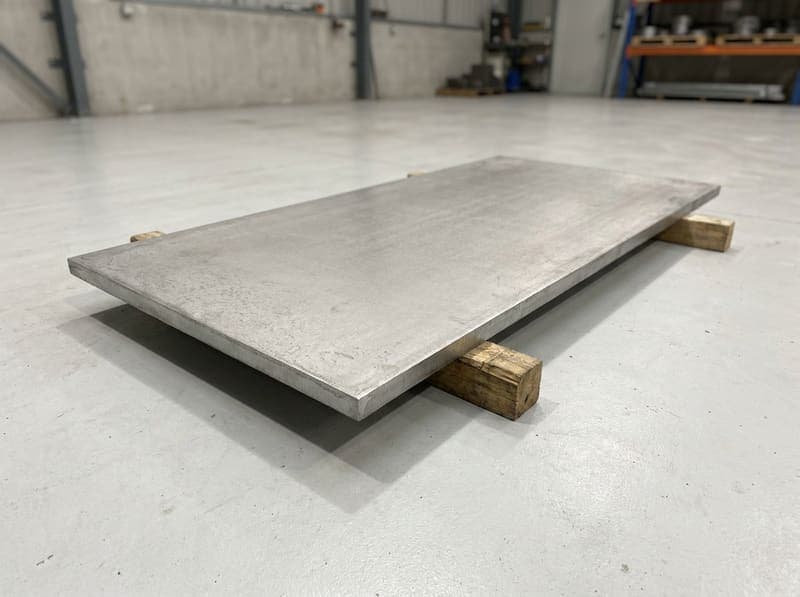 Illustrative render
321 · Plate
Stainless steel · cut_piece
16 × 800 × 1500 mm · 151.68 kg
Excess Project Material
Dubai · Origin No · 1 pcs · Listed 14 Aug 2026
Price on requestAsk us on WhatsApp
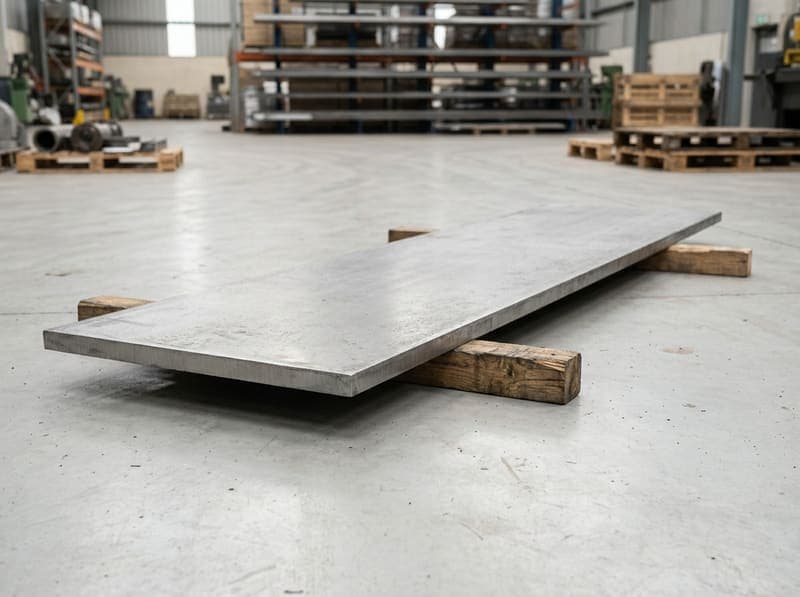 Illustrative render
321 · Plate
Stainless steel · cut_piece
16 × 480 × 2540 mm · 154.11 kg
Excess Project Material
Dubai · Origin No · 1 pcs · Listed 14 Aug 2026
Price on requestAsk us on WhatsApp
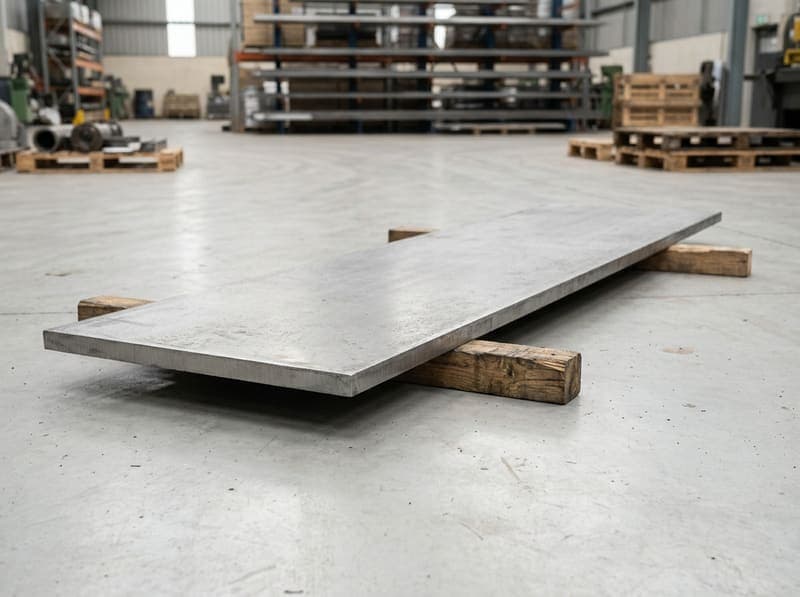 Illustrative render
321 · Plate
Stainless steel · cut_piece
16 × 380 × 2580 mm · 123.92 kg
Excess Project Material
Dubai · Origin No · 1 pcs · Listed 14 Aug 2026
Price on requestAsk us on WhatsApp
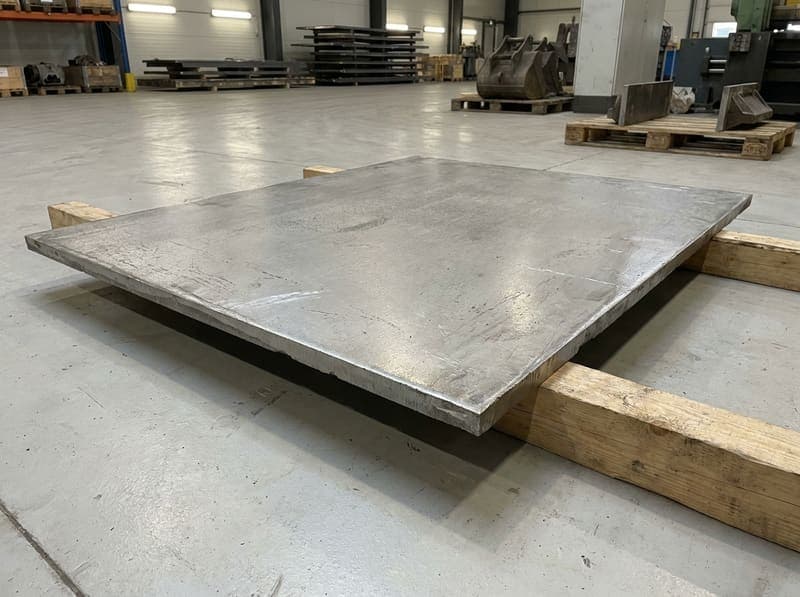 Illustrative render
321 · Plate
Stainless steel · cut_piece
16 × 1500 × 1700 mm · 322.32 kg
Excess Project Material
Dubai · Origin No · 1 pcs · Listed 14 Aug 2026
Price on requestAsk us on WhatsApp
Subject to Prior Sale and Final Availability Confirmation.
Between roughly 425 and 800 °C, ordinary austenitic stainless slowly precipitates chromium carbides and loses corrosion resistance. 321 side-steps this by tying its carbon to titanium instead, so the chromium stays in solution no matter how long the part sits at temperature. That makes it the practical choice for anything that lives hot: flare tips, exhaust manifolds, furnace furniture, aircraft-style bellows.
At room temperature it behaves much like 304 — similar strength, similar forming, slightly rougher polish because of titanium inclusions. Buy it for heat, not for looks: decorative and wet-corrosion work is better served by 304 or 316L at lower cost.
Common questions
When is 321 the right choice over 304?
When the part spends real time between about 425 and 800 °C — exhausts, heater parts, bellows. Below that window 304 or 304L do the job for less; above it, look at 310S or nickel alloys.
Is 321 harder to weld than 304?
No — it welds readily with standard austenitic practice, and its stabilisation means the weld zone keeps its corrosion resistance without further treatment. Filler 347 is the usual match.
Does 321 resist chlorides like 316?
No. It has no molybdenum, so its wet-corrosion behaviour is close to 304. For hot AND chloride-laden service, that is nickel-alloy territory — see Inconel 625.